Description
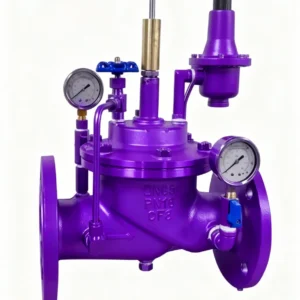
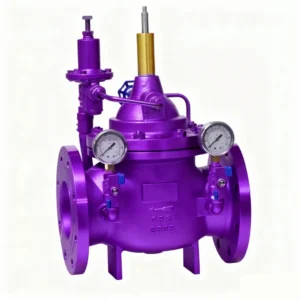
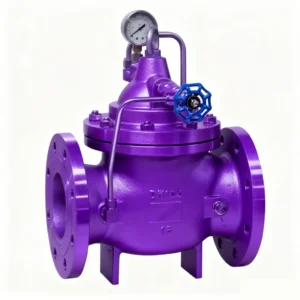
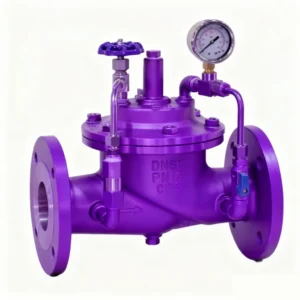
Electro-Hydraulic Control Valve
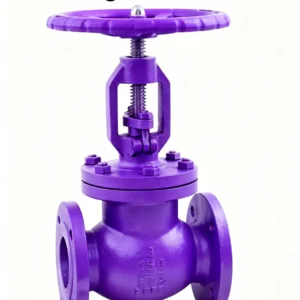
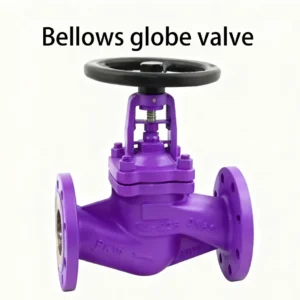
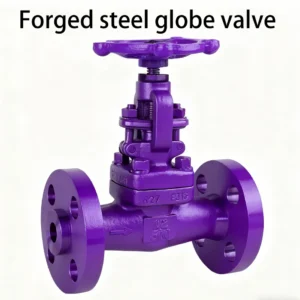
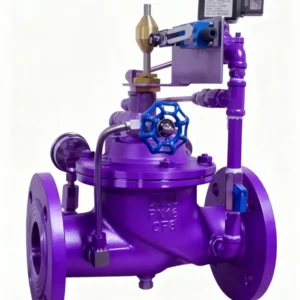
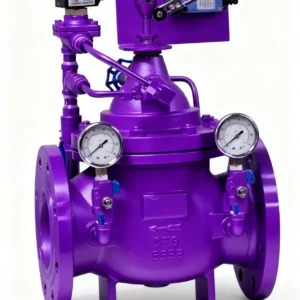
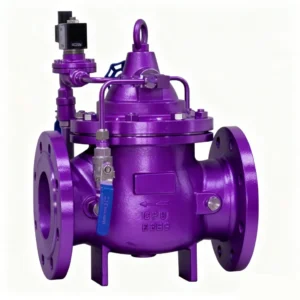
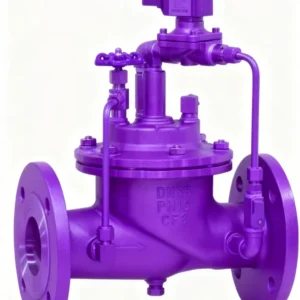
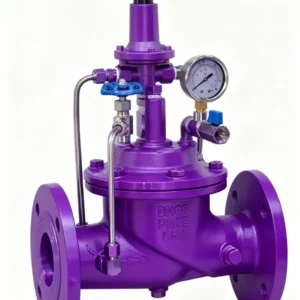
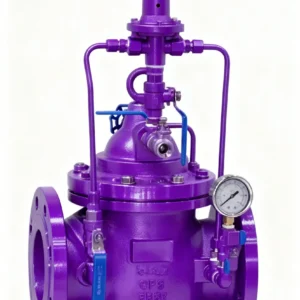
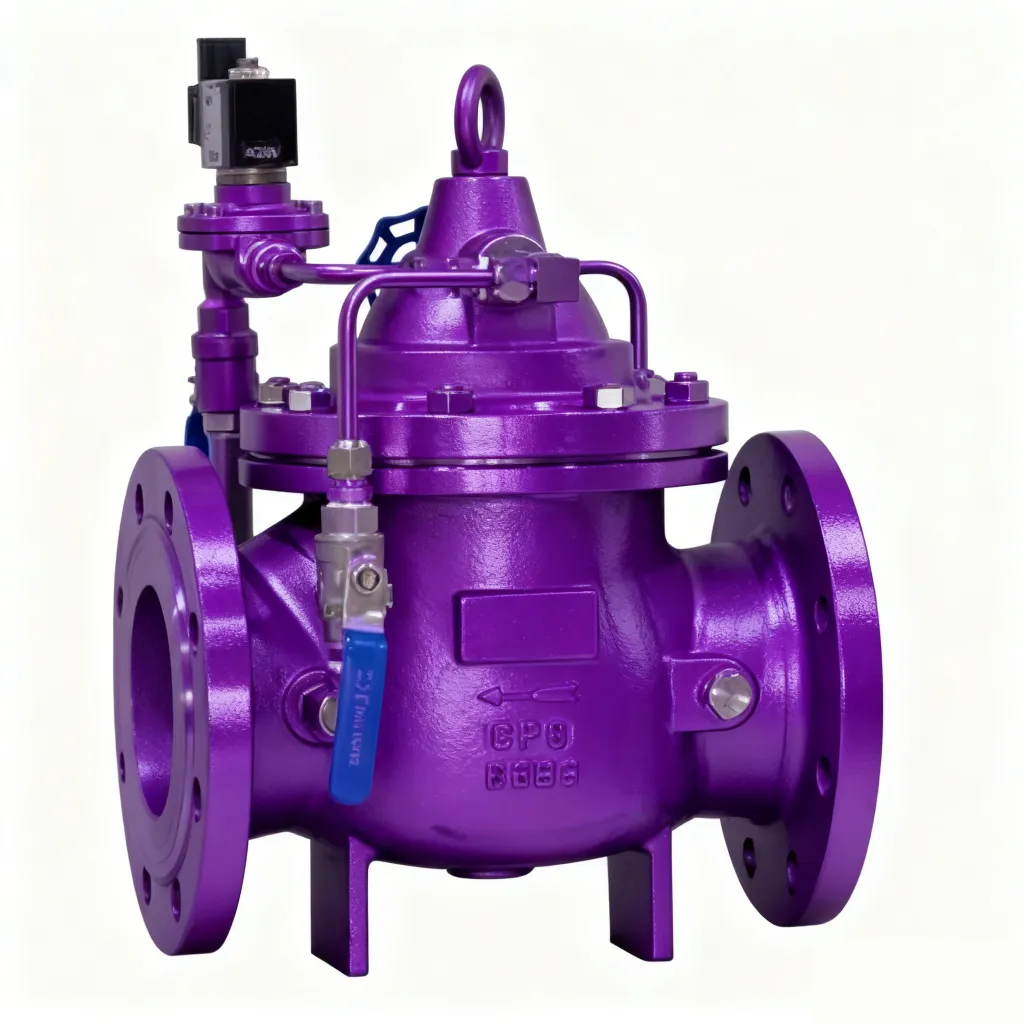
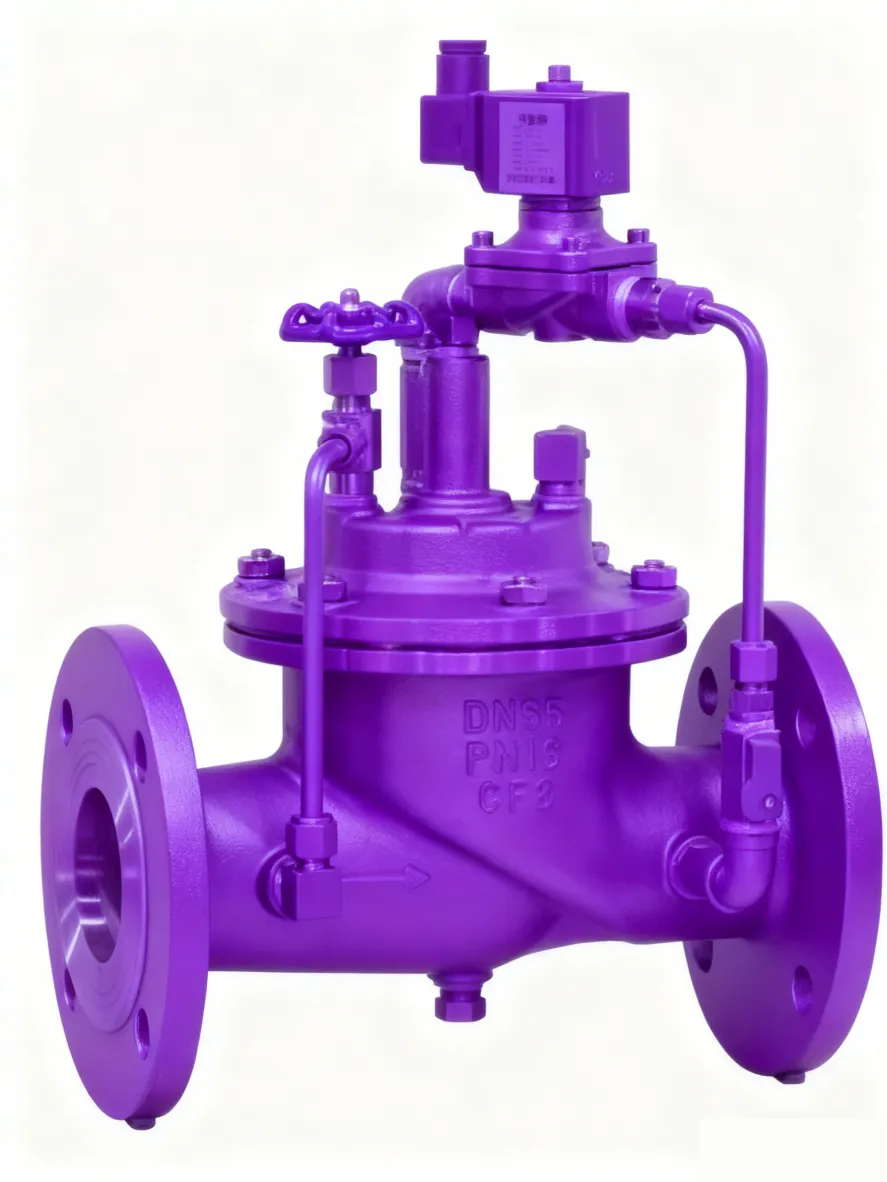
The Electric Hydraulic Control Valve (600X series) is a solenoid-operated proportional valve designed for accurate regulation of oil flow and pressure in hydraulic systems.
Why Choose Our Electric Hydraulic Control Valve?
Our 600X series Electric Hydraulic Control Valve offers superior accuracy and reliability for demanding hydraulic applications. Manufactured under ISO 9001 standards, each valve is tested before shipment.
Detailed Technical Data
- Maximum operating pressure: 315 bar (4500 psi)
- Maximum flow: 300 L/min (80 GPM)
- Hysteresis: < 3%
- Repeatability: < 1%
- Response time: < 30 ms
- Temperature range: -20°C to +80°C
- Protection class: IP65 (coil)
Installation Instructions
Mount the Electric Hydraulic Control Valve on a clean, flat manifold. Ensure hydraulic oil is filtered to ISO 4406 class 18/16/13. The coil can be rotated 360° for easy wiring. Do not exceed maximum pressure ratings.
Ordering Information
When ordering, please specify: model number, coil voltage, input signal type (0-10V or 4-20mA), and port size. Custom configurations are available upon request.
Quality Assurance
Each valve undergoes a 100% performance test including pressure drop, leakage, and step response. We provide a 12-month warranty.
Technical Specifications
- Size Range: DN15 – DN200 (½” – 8″)
- Pressure Rating: up to 315 bar (4500 psi)
- Flow Rate: up to 300 L/min
- Coil Voltage: 24V DC / 110V AC / 220V AC
- Input Signal: 0–10V or 4–20mA
- Body Material: Cast iron / Steel
Working Principle
This Electric Hydraulic Control Valve converts an electrical input signal into a proportional hydraulic output. When the solenoid receives current, it moves the spool to control the opening size, thereby regulating pressure or flow. Unlike simple on/off valves, the Electric Hydraulic Control Valve provides stepless, precise control.Applications
- Injection molding machines
- Hydraulic presses
- Test benches
- Mobile hydraulics
FAQ
Q: What is the difference between a proportional valve and a servo valve? A: The Electric Hydraulic Control Valve offers good dynamic response at lower cost, while servo valves provide higher precision but are more expensive.Q: Can this valve be used for water? A: No, it is designed for mineral oil only.Learn more about proportional hydraulics on Wikipedia or Hydraulics & Pneumatics.Key Features & Benefits
- Precise proportional control – Stepless regulation of pressure and flow improves system efficiency.
- Low hysteresis (<3%) – Ensures accurate repeatability for critical applications.
- Fast response (<30ms) – Suitable for dynamic hydraulic circuits.
- Compact & robust design – Space-saving and durable for industrial environments.
- Easy maintenance – Replaceable coil and cartridge design reduces downtime.
Typical Industries
Our Electric Hydraulic Control Valve is widely used in:
- Plastic injection molding machines (pressure and flow control)
- Metal forming presses (die cushion control)
- Test rigs (load simulation)
- Wind turbine pitch control
- Mobile hydraulics (excavators, loaders)
Customization Options
We offer OEM services: custom flange patterns, special seal materials (Viton for high temperature), alternative coil voltages (12V, 24V, 110V, 220V, 380V), and integrated pressure transducer ports. Minimum order quantity can be discussed.
Shipping & Packaging
Each valve is individually packed in a foam-lined carton with desiccant. Export wooden cases are available for sea freight. Lead time: 15–30 days depending on quantity.
Why Customers Trust Oucang Flange
With over 11 years of experience, Oucang Flange provides high-quality electric hydraulic control valves certified by ISO 9001. Our 600X series valves are exported to more than 30 countries, including the USA, Germany, Brazil, and Southeast Asia. We offer factory-direct pricing, fast lead times, and lifetime technical support.
Contact Us for a Quote
Submit your requirements: model number, coil voltage, input signal type (0-10V or 4-20mA), and port size. Our engineers will reply within 24 hours with a competitive quotation and drawing confirmation.